Thursday, July 23, 2026

Bringing Joy Back to the Classroom: How Purposeful Technology Supports Student Engagement

Why Joy Matters in Learning

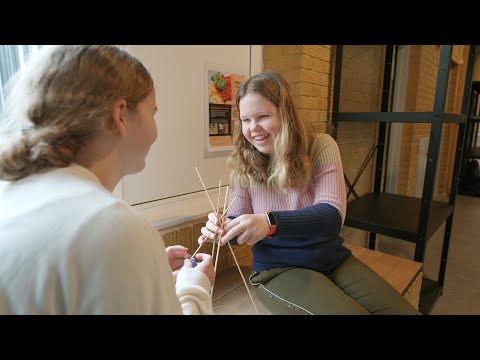
When children first enter school, they are naturally curious. They ask questions, explore their surroundings, and approach new experiences with excitement. As educators, our challenge is not teaching students how to become curious but preserving that curiosity as academic expectations increase. Unfortunately, many schools have shifted toward standardized instruction, leaving less room for creativity, play, and student choice. While technology is often viewed as either the solution or the problem, Edtech for the K–12 Classroom argues that neither perspective tells the whole story. Joyful learning and purposeful technology work together to create engaging classrooms where students are motivated to learn, think critically, and develop a lifelong love of learning.

Jennifer Gallagher (2025) writes that joy has become “an undervalued and overlooked part of school evaluation and practice (p.112). She explains that schools often replace children’s natural curiosity with compliance, standardized curricula, and assessments that emphasize memorization rather than meaningful learning. Gallagher challenges educators to rethink what student success should look like by creating classrooms where students experience curiosity, belonging, and purpose. Rather than treating joy as an extra reward after learning has occurred, she presents it as an essential condition that allows authentic learning to happen.

Connecting Joy to My Classroom

As a first-grade inclusion teacher, I see this every day. Young children come to school eager to explore, create, and ask questions. They naturally learn through conversation, movement, and play. Some of my students require additional academic or behavioral supports, but I have found that all students respond positively when learning is meaningful and engaging. Whether students are collaborating during STEM activities, participating in interactive read-alouds, or solving math problems with manipulatives, they are far more invested when they have opportunities to make choices and actively participate in their learning.

Using Technology with Purpose

While Chapter 5 emphasizes joy, Chapter 1 explains how technology can strengthen these learning experiences when it is used intentionally. Rick Cave (2025) argues that educators should avoid using technology simply because it is new or popular. Instead, digital tools should encourage higher-order thinking, creativity, and problem-solving. Cave explains that technology should support learning goals by giving students opportunities to evaluate information, collaborate with others, and determine how digital resources can best help them learn. This perspective shifts the focus away from the technology itself and places it back on student learning.

This idea resonates with my own classroom experiences. Technology does not automatically increase engagement, but purposeful technology often enhances lessons that are already student-centered. For example, my students can use digital tools to record themselves explaining a math strategy, create digital stories that demonstrate reading comprehension, or document observations during science investigations. These activities encourage creativity, communication, and reflection while giving students ownership of their learning. Technology becomes a way for students to demonstrate understanding instead of simply consuming information.

Student Agency Through Joy and Technology

One of the strongest connections between Chapters 1 and 5 is the emphasis on student agency. Gallagher (2025) encourages educators to provide learning experiences that foster curiosity and joy, while Cave (2025) advocates for instructional practices that allow students to think critically and make purposeful decisions about technology use. Together, these chapters suggest that engagement is not created by adding more technology or more entertaining activities. Instead, engagement grows when students feel connected to their learning, have meaningful choices, and understand the purpose behind what they are doing.

This message is especially important in today’s classrooms, where teachers often feel pressure to cover extensive curriculum standards while integrating new technologies. It can be tempting to believe that the newest educational app will automatically motivate students. However, the research suggests otherwise. Purposeful technology supports engagement only when it enhances relationships, creativity, collaboration, and authentic problem-solving. Likewise, joyful classrooms are not defined by constant games or entertainment but by meaningful learning experiences that inspire students to think, explore, and persist through challenges.

Final Reflection

As educators, we have an opportunity to rethink how we define successful classrooms. Rather than measuring engagement solely by quiet compliance or completed assignments, we should look for curiosity, collaboration, and enthusiasm for learning. Technology should not replace these qualities but strengthen them. When students are given opportunities to explore ideas, create meaningful projects, and use digital tools with purpose, they become active participants in their own education.

https://www.edutopia.org/making-learning-playful

Ultimately, bringing joy back into the classroom is not about lowering expectations or making every lesson entertaining. It is about recognizing that students learn best when they feel valued, challenged, and excited about learning. As Gallagher (2025) reminds us, joy is central to meaningful education, and as Cave (2025) demonstrates, technology is most powerful when it supports that joy through intentional, student-centered instruction. When educators combine these two ideas, they create classrooms where students are not only academically successful but also develop curiosity, confidence, and a lifelong love of learning.


References 

    Gallagher, J. (2025). Student engagement and school culture. In K. Richardson (Ed.), Edtech for the K–12 classroom (3rd ed., Chapter 5). ISTE+ASCD.

    Cave, R. (2025). Teaching and learning with technology. In K. Richardson (Ed.), Edtech for the K–12 classroom (3rd ed., Chapter 1). ISTE+ASCD.

    Edutopia. (N.d.). What makes learning more playful? https://www.edutopia.org/making-learning-playful

Wednesday, July 22, 2026

Reflecting on My Growth as a Digital Educator

INTRODUCTION

When I created my original introduction video, my goal was to introduce myself and explain how I plan to use social media professionally as a teacher. In my video, I shared that I would like to use a classroom Instagram page to keep parents updated on what students are learning and experiencing each day. I also explained that I keep my personal social media accounts private so that I can maintain professional boundaries. After reading Chapter 6 of Crafting Digital Writing, I realized there is much more to creating an effective video than simply sharing information. A successful video should have a clear purpose, be designed with a specific audience in mind, and communicate information thoughtfully.

I also realized that my original introduction focused primarily on myself rather than immediately establishing why the topic mattered to my audience. In my revised video, I created a more purposeful introduction that explained how video can strengthen communication between teachers and families before discussing my personal experience. 

WHAT I LEARNED FROM CHAPTER 6

One concept that stood out to me was the M.I.N.D.F.U.L. framework for creating and evaluating digital content. Before reading this chapter, I primarily thought about what I wanted to say in my video. Now I understand that I also need to consider my audience, the evidence I provide, the accuracy of my information, and how my message may be interpreted by others (Turner and Hicks, 2017). My audience for a classroom Instagram page includes parents and families, so every post or video should support communication between home and school while maintaining professionalism.

Another important lesson from the chapter was the importance of verifying information before sharing it online. Although my classroom Instagram page would focus mainly on classroom activities, the chapter reminded me that educators have a responsibility to model responsible digital citizenship. If I ever share educational resources, teaching strategies, or information with families, I should make sure the information is accurate and comes from reliable sources. The chapter also emphasized that digital communication should contribute meaningful information rather than simply seeking attention through likes or shares (Turner & Hicks, 2017). This idea changed the way I think about using social media in education.


HOW MY NEW VIDEO IMPROVED

As I created my new video, I intentionally applied what I learned from Chapter 6. Instead of only talking about using Instagram to post classroom updates, I focused on why video can strengthen communication with parents and create stronger connections between families and the classroom. I also paid closer attention to the visual design of my video by making sure my presentation was organized, easy to follow, and appropriate for my audience. I wanted my video to model the same thoughtful communication that I hope to encourage in my own classroom. While revising my introduction video, I thought more intentionally about the purpose of my message, my intended audience, and why video was the best medium for communicating with parent and families (Turner & Hicks, 2017).

My Revised Introduction Video

APPLYING THESE IDEAS IN MY CLASSROOM

As a first-grade teacher, I also found myself thinking about how these ideas apply to young students. Even though first graders are still developing their digital literacy skills, they can begin learning the importance of respectful communication, responsible technology use, and thinking before sharing information. The chapter’s discussion of the THINK acronym, asking whether a message is true, helpful, inspiring, necessary, and kind, provides a simple framework that could easily be adapted for elementary students.

As an elementary teacher, I know that strong communication with families builds trust and supports students success.  Using digital tools thoughtfully allows me to extend learning beyond the classroom while modeling responsible digital citizenship for both students and parents.  This reinforces my decision  to use a classroom instagram page as a professional communication tool while maintaining private personal social media accounts. 

This experience also reinforced that effective digital writing is not simply about creating technology-rich content but about intentionally designing communication that meets the needs of a specific audience. As I continue my career as an educator, I plan to use these principals to create digital content that strengthens relationships with families that enhances student learning. 

CONCLUSION 

Overall, this assignment helped me realize that effective digital writing is about much more than creating a visually appealing video. It requires careful planning, consideration of the audience, responsible communication, and thoughtful design. Moving forward, I plan to use these principles whenever I create digital content for students and families so that my communication is purposeful, professional, and meaningful.

REFERENCES

    Turner. K.H., & Hicks, T. (2017) Argument in the real world:Teaching adolescents to read and write digital nexts.Heinemann. 


Wednesday, July 15, 2026

Infographics Belong in Every Classroom

Technology has transformed the way we communicate, making digital writing much more than simply typing words on a screen. Today, effective communication combines text, images, graphics, videos, and thoughtful design to engage readers and clearly convey information. Before completing this assignment, I viewed infographics as colorful visuals that summarized information. However, after reading Digital Writing by Dan Lawrence and creating my own infographic, I now understand that infographics are a powerful form of digital writing because they intentionally combine written and visual elements to communicate a message.

https://wakelet.com/wake/iCgCcxdtzdm1r1NajEcx8

One of the ideas that stood out to me from Lawrence’s text is that digital writing is multimodal, meaning it combines written language with visual elements to create a stronger overall message (Lawrence, 2022, p. 99). Whether it is a social media post, website, infographic, or video, digital communication depends on both what is written and how it is presented. While designing my infographic, I realized that every decision mattered. The colors, icons, headings, spacing, and organization all worked together to help readers understand the information quickly and efficiently. Instead of overwhelming readers with long paragraphs, I focused on presenting the most important ideas in a visually appealing format.

Another important concept Lawrence discusses is the importance of understanding the audience and purpose before creating any digital project. He explains that digital writers should consider who their audience is, what message they want to communicate, and what action they hope readers will take after viewing the content (Lawrence, 2022, pp. 100–101). This encouraged me to think carefully about the design of my infographic rather than simply adding information. I wanted my audience to quickly recognize the key ideas and easily navigate through the different sections. By keeping the design organized and uncluttered, I was able to create a product that was both informative and engaging.

As a first-grade inclusion teacher, this assignment immediately connected to my own classroom. Many young learners, especially students with diverse learning needs, benefit from visual supports that make information easier to understand. Infographics can be used to teach classroom expectations, explain procedures, introduce vocabulary, summarize lessons, and communicate with families. Combining concise text with meaningful visuals helps make learning more accessible while increasing student engagement. This assignment reminded me that thoughtful visual design can be just as important as the written message itself.


The video I selected reinforced many of the ideas discussed in the textbook by demonstrating how visuals and multimedia strengthen communication. Lawrence  explains that digital writers are also designers who create content using graphics, videos, and other multimedia elements to effectively reach their audiences (Lawrence, 2022, pp. 108–112). Watching the video while creating my infographic helped me recognize that effective communication involves much more than writing paragraphs. Successful digital writing requires intentional design choices that guide the audience’s attention and make information meaningful and memorable.


Creating my infographic changed the way I think about writing and communication. I now understand that digital writing involves creativity, audience awareness, visual design, and purposeful organization. As educators, we have an opportunity to create instructional materials that are both informative and visually engaging. I plan to continue using infographics in my classroom because they provide an effective way to communicate ideas while supporting the diverse learning needs of my students. This experience has shown me that when words and visuals work together, communication becomes clearer, more engaging, and more meaningful for everyone.


 References

    Lawrence, D. (2022). Digital writing: A guide to writing for social media and the web. Broadview Press.

    KidsMathTV. (2023, March 15). Revolutionizing education: How educational technology is enhancing K–12 classrooms[Video]. Youtube. https://www.youtube.com/watch?v=l6WDP5hTLiA


Saturday, July 11, 2026

More Than Words: Why Visual Design Matters in Digital Writing

 When I first began reading Digital Writing, I assumed digital writing simply meant typing on a computer instead of writing with pencil and paper. As I worked through the first four chapters, I realized that digital writing is much more than text on a screen. Lawrence (2022) explains that digital writing is “writing with technology and writing the type of content that appears across digital media” (p. 4). This definition changed the way I think about the materials I create every day as a first-grade teacher. Every classroom newsletter, slideshow, instagram post, and parent communication is an example of digital writing.

One concept that really stood out to me was the importance of digital-visual design. Lawrence (2022) writes, “We are visual creatures as much as we are textual creatures. And on the web, text, visuals, and video interact with one another” (p. 109). This statement immediately made me think about my own students. In a first-grade inclusion classroom, many children are still learning to read fluently, while others benefit from additional visual supports. Because of this, I intentionally use pictures, icons, anchor charts, and colorful graphics to help students understand new concepts. Visual design is not just something that makes a lesson look attractive—it helps make learning more accessible and meaningful.

One digital resource I explored that reflects this idea is Kids Discover Infographics. This website provides free, curriculum-aligned infographics on topics such as science, social studies, geography, and STEM. Instead of overwhelming students with large amounts of text, the information is organized into short sections supported by engaging visuals and diagrams. I could easily use these infographics to introduce a new science unit, build background knowledge before reading informational texts, or review vocabulary with my students.


https://kidsdiscover.com/?srsltid=AfmBOoqVk0xykpjQrZRu6o5x30g6jIKPoOztYzWlZsGuFQXkwKpzSDhh

As I reflected on this resource, I realized that effective digital writing is not only about sharing information but also about presenting it in a way that meets the needs of the audience. Young learners often process visual information more efficiently than long paragraphs of text. This is especially important in an inclusion classroom where students have a diverse range of learning needs. By combining text with meaningful visuals, teachers can create learning experiences that are engaging, accessible, and easier for students to understand.

This week’s reading also reminded me that educators are digital writers whether we realize it or not. We design digital presentations, create classroom websites, communicate with families through online platforms, and share learning resources with students. The choices we make about layout, images, colors, and multimedia all influence how effectively our message is received. As Lawrence emphasizes throughout the text, thoughtful digital writing considers both the content and the audience.


Reading these chapters has encouraged me to think more intentionally about the digital materials I create. Rather than focusing only on what I want to communicate, I want to consider how visual design can improve understanding and engagement for both students and families. As technology continues to shape education, I believe effective digital communication will become an even more valuable skill for teachers.

Discussion Question:
How do you use visuals or multimedia to make learning more engaging for your students? Have you found that visual design improves understanding?


References

Kids Discover. (n.d.). Infographics. https://kidsdiscover.com/infographics/

Lawrence, D. (2022). Digital writing: A guide to writing for social media and the web. Broadview Press.


Bringing Joy Back to the Classroom: How Purposeful Technology Supports Student Engagement

Why Joy Matters in Learning When children first enter school, they are naturally curious. They ask questions, explore their surroundings, an...