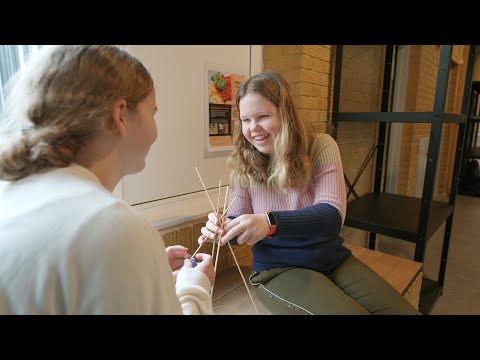
Why Joy Matters in Learning
When children first enter school, they are naturally curious. They ask questions, explore their surroundings, and approach new experiences with excitement. As educators, our challenge is not teaching students how to become curious but preserving that curiosity as academic expectations increase. Unfortunately, many schools have shifted toward standardized instruction, leaving less room for creativity, play, and student choice. While technology is often viewed as either the solution or the problem, Edtech for the K–12 Classroom argues that neither perspective tells the whole story. Joyful learning and purposeful technology work together to create engaging classrooms where students are motivated to learn, think critically, and develop a lifelong love of learning.
Jennifer Gallagher (2025) writes that joy has become “an undervalued and overlooked part of school evaluation and practice (p.112). She explains that schools often replace children’s natural curiosity with compliance, standardized curricula, and assessments that emphasize memorization rather than meaningful learning. Gallagher challenges educators to rethink what student success should look like by creating classrooms where students experience curiosity, belonging, and purpose. Rather than treating joy as an extra reward after learning has occurred, she presents it as an essential condition that allows authentic learning to happen.
Connecting Joy to My Classroom
As a first-grade inclusion teacher, I see this every day. Young children come to school eager to explore, create, and ask questions. They naturally learn through conversation, movement, and play. Some of my students require additional academic or behavioral supports, but I have found that all students respond positively when learning is meaningful and engaging. Whether students are collaborating during STEM activities, participating in interactive read-alouds, or solving math problems with manipulatives, they are far more invested when they have opportunities to make choices and actively participate in their learning.
Using Technology with Purpose
While Chapter 5 emphasizes joy, Chapter 1 explains how technology can strengthen these learning experiences when it is used intentionally. Rick Cave (2025) argues that educators should avoid using technology simply because it is new or popular. Instead, digital tools should encourage higher-order thinking, creativity, and problem-solving. Cave explains that technology should support learning goals by giving students opportunities to evaluate information, collaborate with others, and determine how digital resources can best help them learn. This perspective shifts the focus away from the technology itself and places it back on student learning.
This idea resonates with my own classroom experiences. Technology does not automatically increase engagement, but purposeful technology often enhances lessons that are already student-centered. For example, my students can use digital tools to record themselves explaining a math strategy, create digital stories that demonstrate reading comprehension, or document observations during science investigations. These activities encourage creativity, communication, and reflection while giving students ownership of their learning. Technology becomes a way for students to demonstrate understanding instead of simply consuming information.
Student Agency Through Joy and Technology
One of the strongest connections between Chapters 1 and 5 is the emphasis on student agency. Gallagher (2025) encourages educators to provide learning experiences that foster curiosity and joy, while Cave (2025) advocates for instructional practices that allow students to think critically and make purposeful decisions about technology use. Together, these chapters suggest that engagement is not created by adding more technology or more entertaining activities. Instead, engagement grows when students feel connected to their learning, have meaningful choices, and understand the purpose behind what they are doing.
This message is especially important in today’s classrooms, where teachers often feel pressure to cover extensive curriculum standards while integrating new technologies. It can be tempting to believe that the newest educational app will automatically motivate students. However, the research suggests otherwise. Purposeful technology supports engagement only when it enhances relationships, creativity, collaboration, and authentic problem-solving. Likewise, joyful classrooms are not defined by constant games or entertainment but by meaningful learning experiences that inspire students to think, explore, and persist through challenges.
Final Reflection
As educators, we have an opportunity to rethink how we define successful classrooms. Rather than measuring engagement solely by quiet compliance or completed assignments, we should look for curiosity, collaboration, and enthusiasm for learning. Technology should not replace these qualities but strengthen them. When students are given opportunities to explore ideas, create meaningful projects, and use digital tools with purpose, they become active participants in their own education.

https://www.edutopia.org/making-learning-playful
Ultimately, bringing joy back into the classroom is not about lowering expectations or making every lesson entertaining. It is about recognizing that students learn best when they feel valued, challenged, and excited about learning. As Gallagher (2025) reminds us, joy is central to meaningful education, and as Cave (2025) demonstrates, technology is most powerful when it supports that joy through intentional, student-centered instruction. When educators combine these two ideas, they create classrooms where students are not only academically successful but also develop curiosity, confidence, and a lifelong love of learning.
References
Gallagher, J. (2025). Student engagement and school culture. In K. Richardson (Ed.), Edtech for the K–12 classroom (3rd ed., Chapter 5). ISTE+ASCD.
Cave, R. (2025). Teaching and learning with technology. In K. Richardson (Ed.), Edtech for the K–12 classroom (3rd ed., Chapter 1). ISTE+ASCD.
Edutopia. (N.d.). What makes learning more playful? https://www.edutopia.org/making-learning-playful